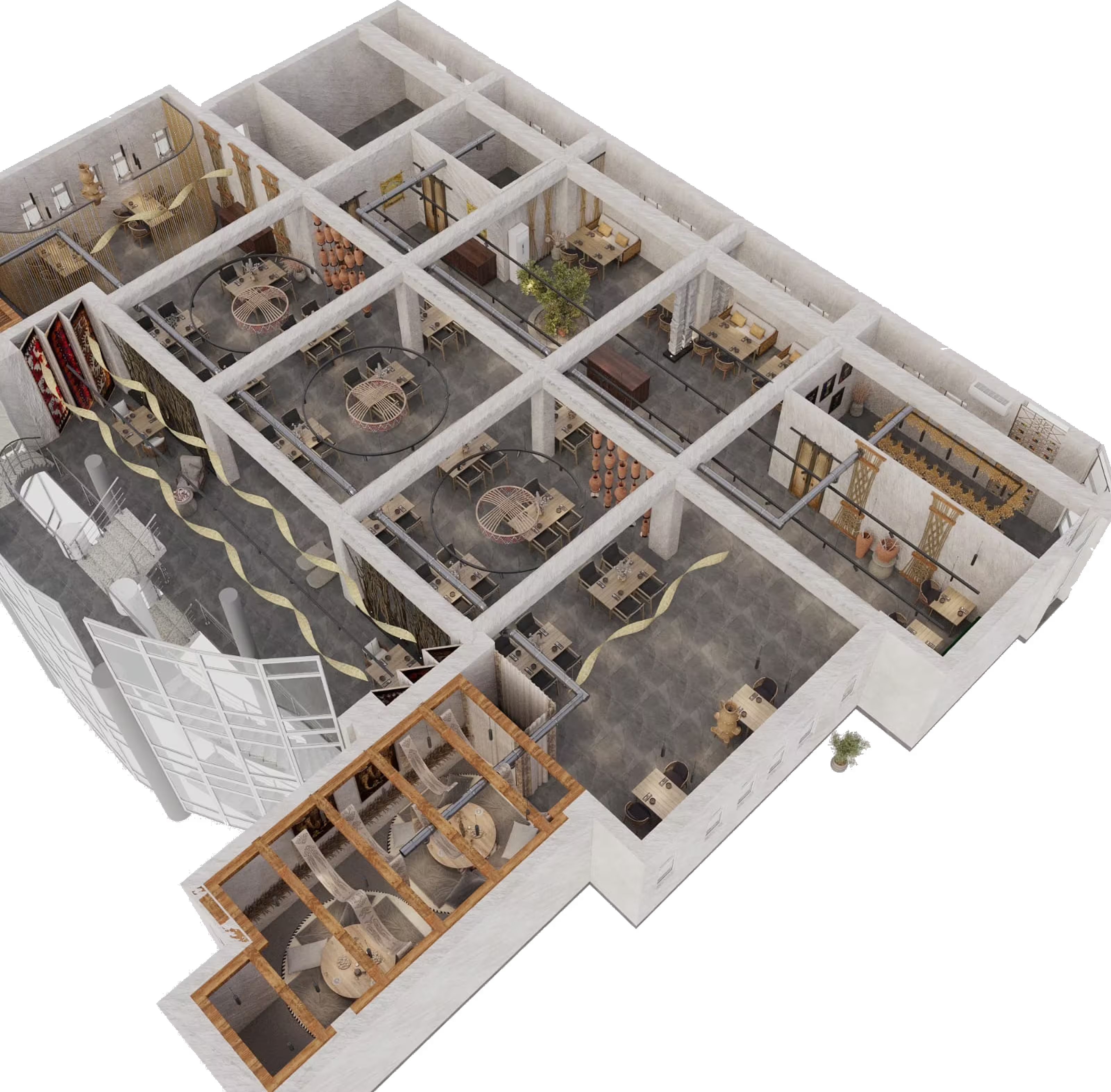
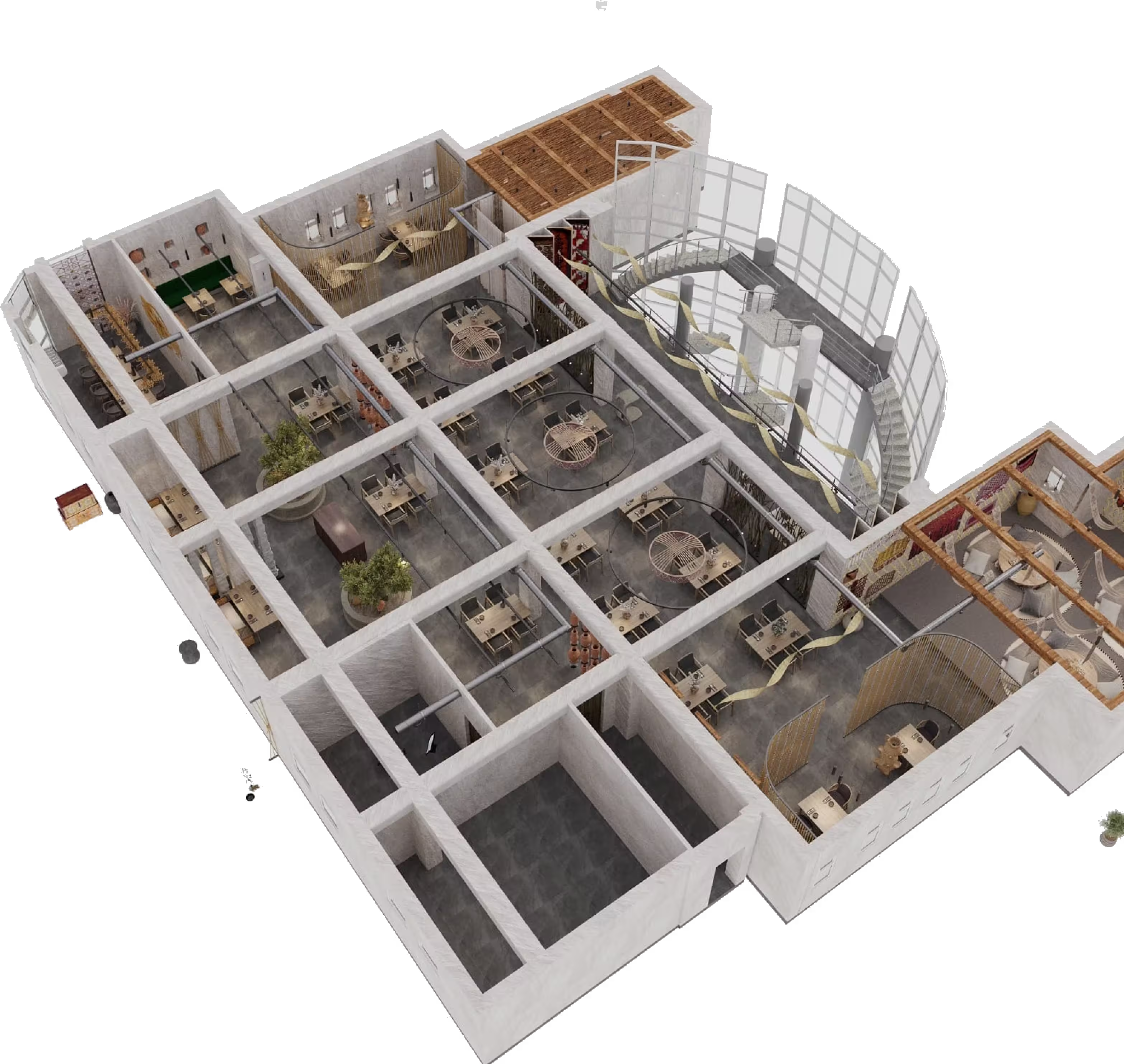
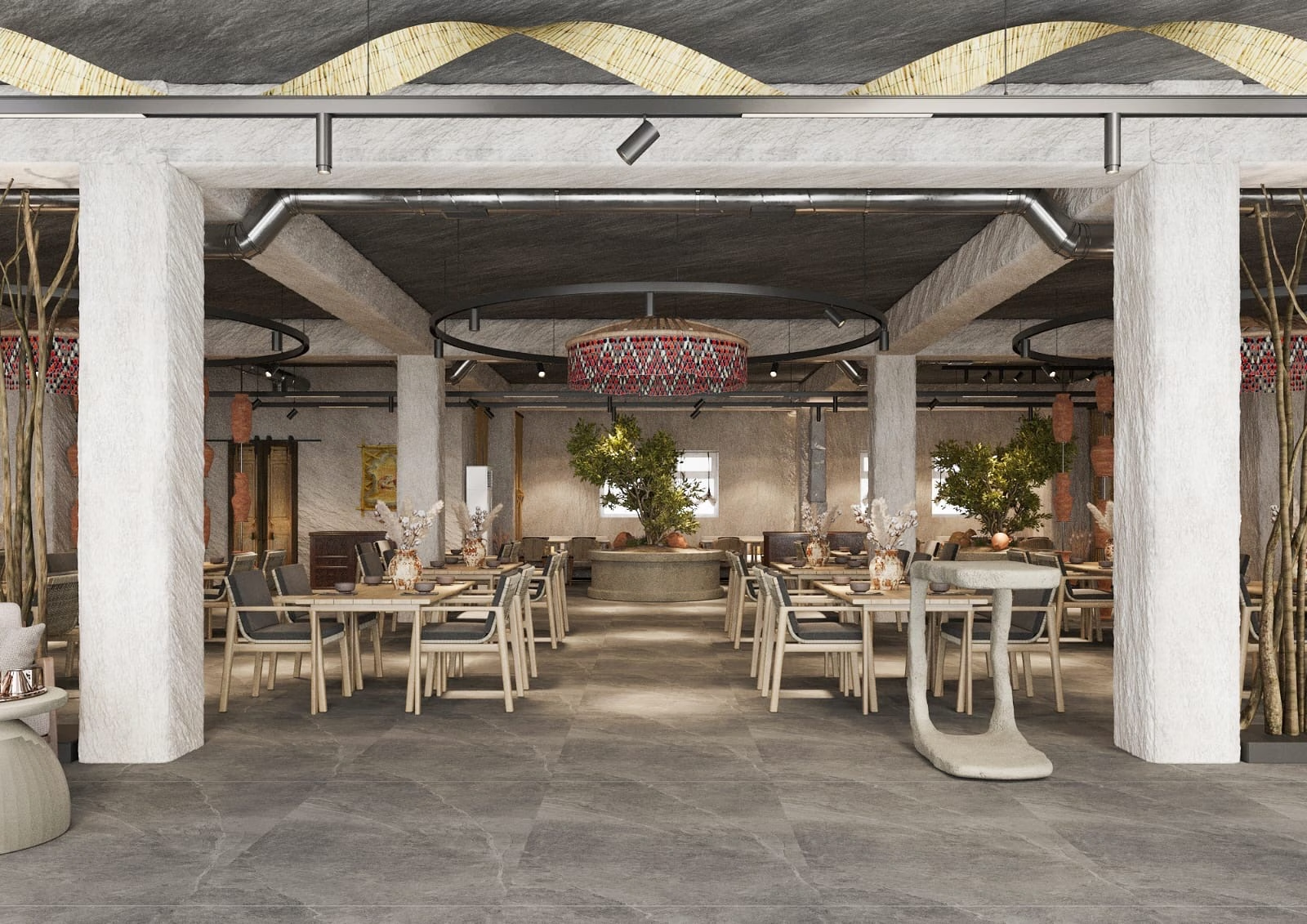
This restaurant is shaped by the materials, textures, and traditions of the region, reinterpreted through a contemporary interior language. Rather than reproducing a historical setting, the design draws from the character of clay, timber, reed, stone, woven textiles, and traditional ornament to create a space that feels rooted in cultural memory while remaining distinctly modern.
_converted.avif)
Raw surfaces and handcrafted details are intentionally placed alongside exposed concrete and visible technical elements. This contrast establishes the central idea of the project: tradition and contemporary architecture existing within the same space without competing with one another.
_converted.avif)
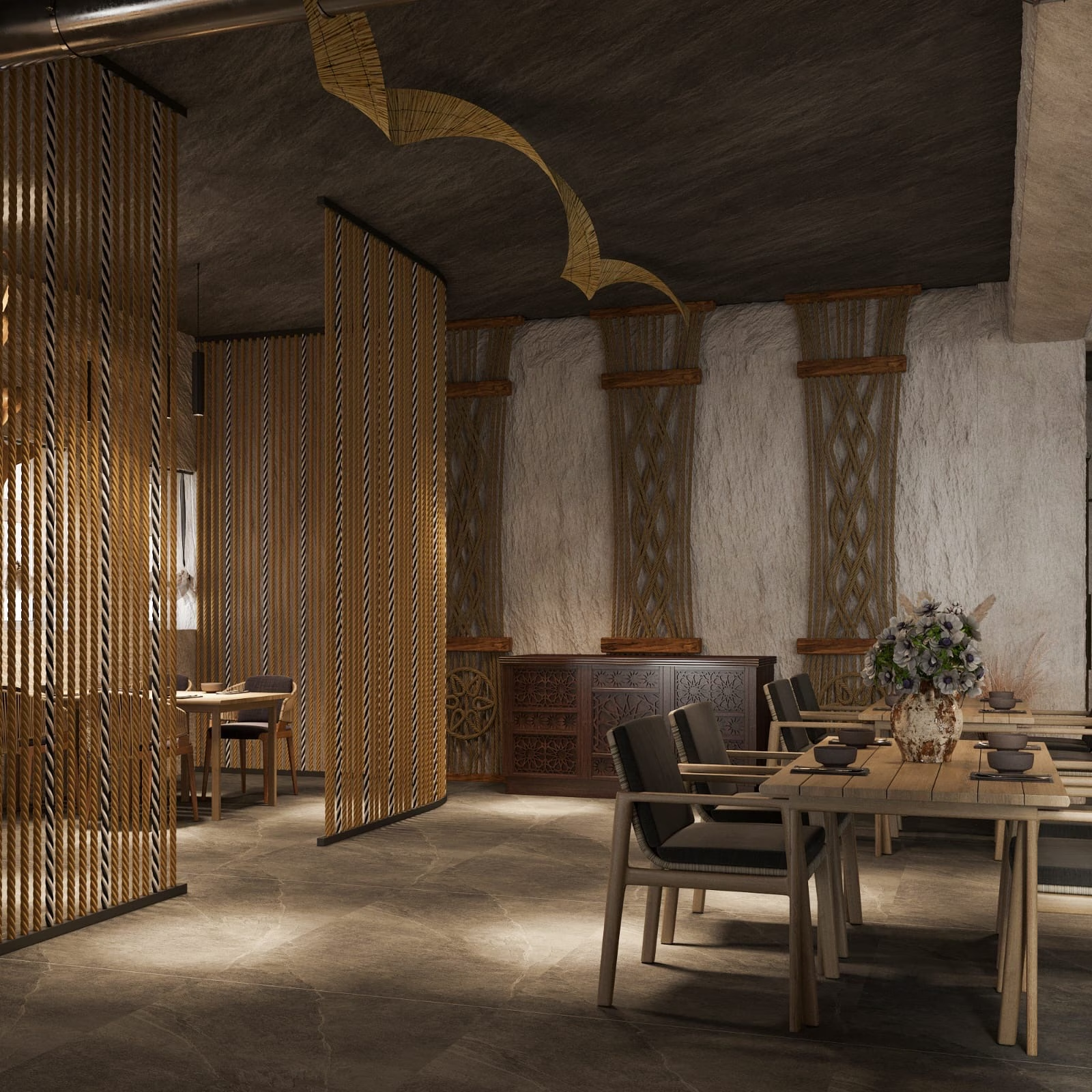
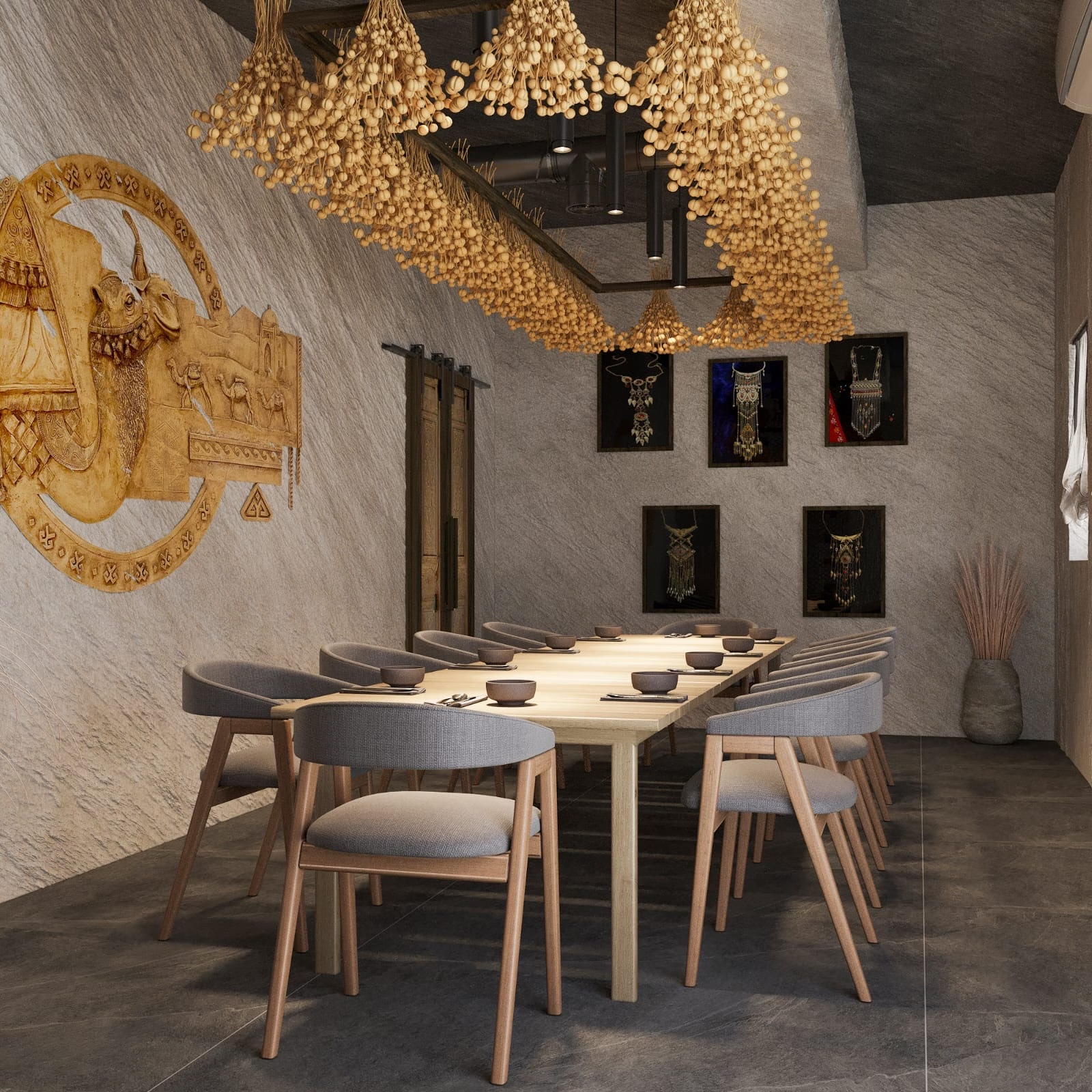
Textured plaster gives the walls an almost handcrafted quality, recalling the natural irregularity of traditional clay construction. Its uneven surface responds differently to light throughout the interior, creating depth through shadow rather than applied decoration.
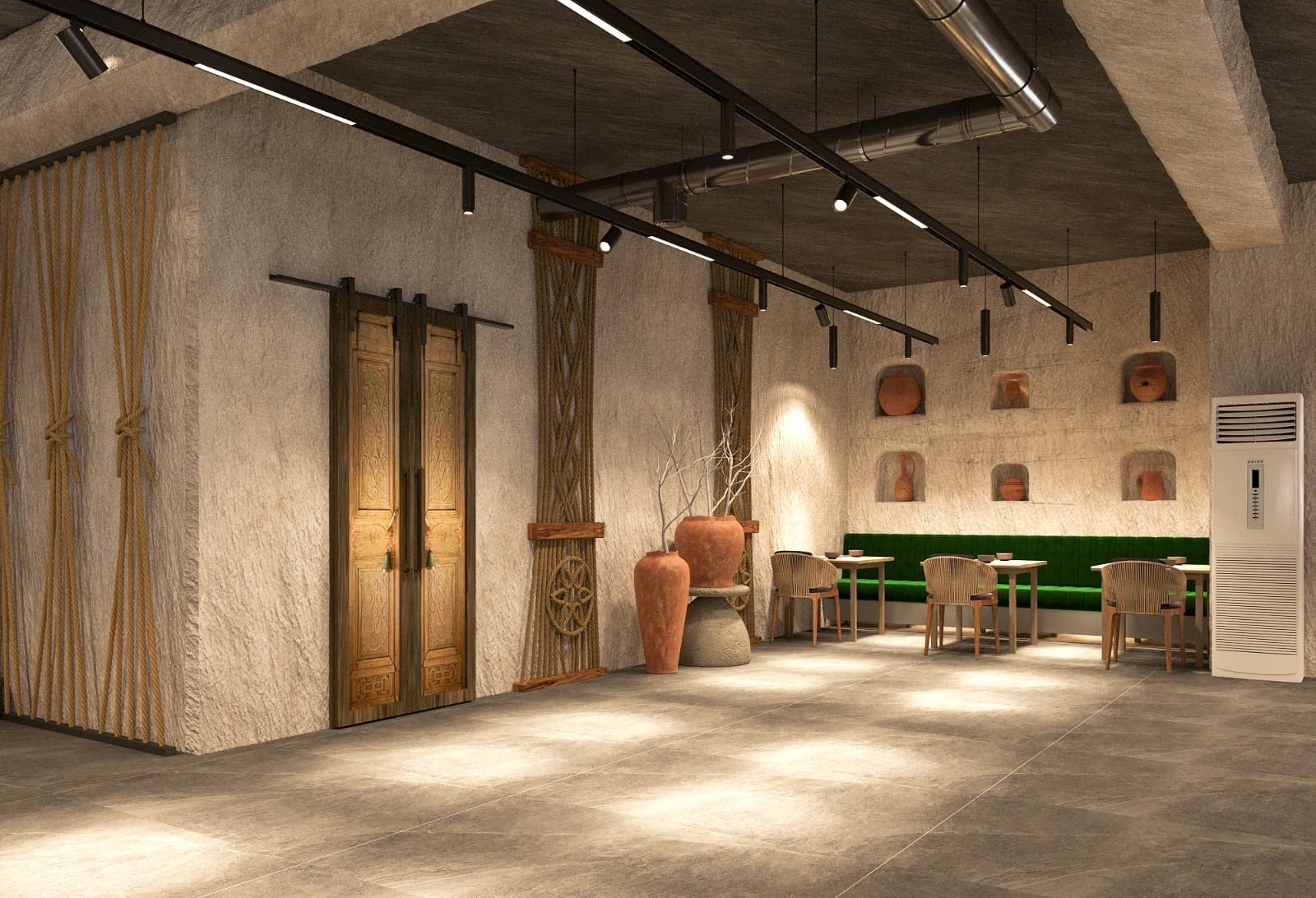
Above, exposed concrete ceilings and visible services introduce a contemporary industrial layer. The contrast between these elements is deliberate. Natural, tactile surfaces represent the heritage of the space, while exposed structure reflects its present-day architectural identity.
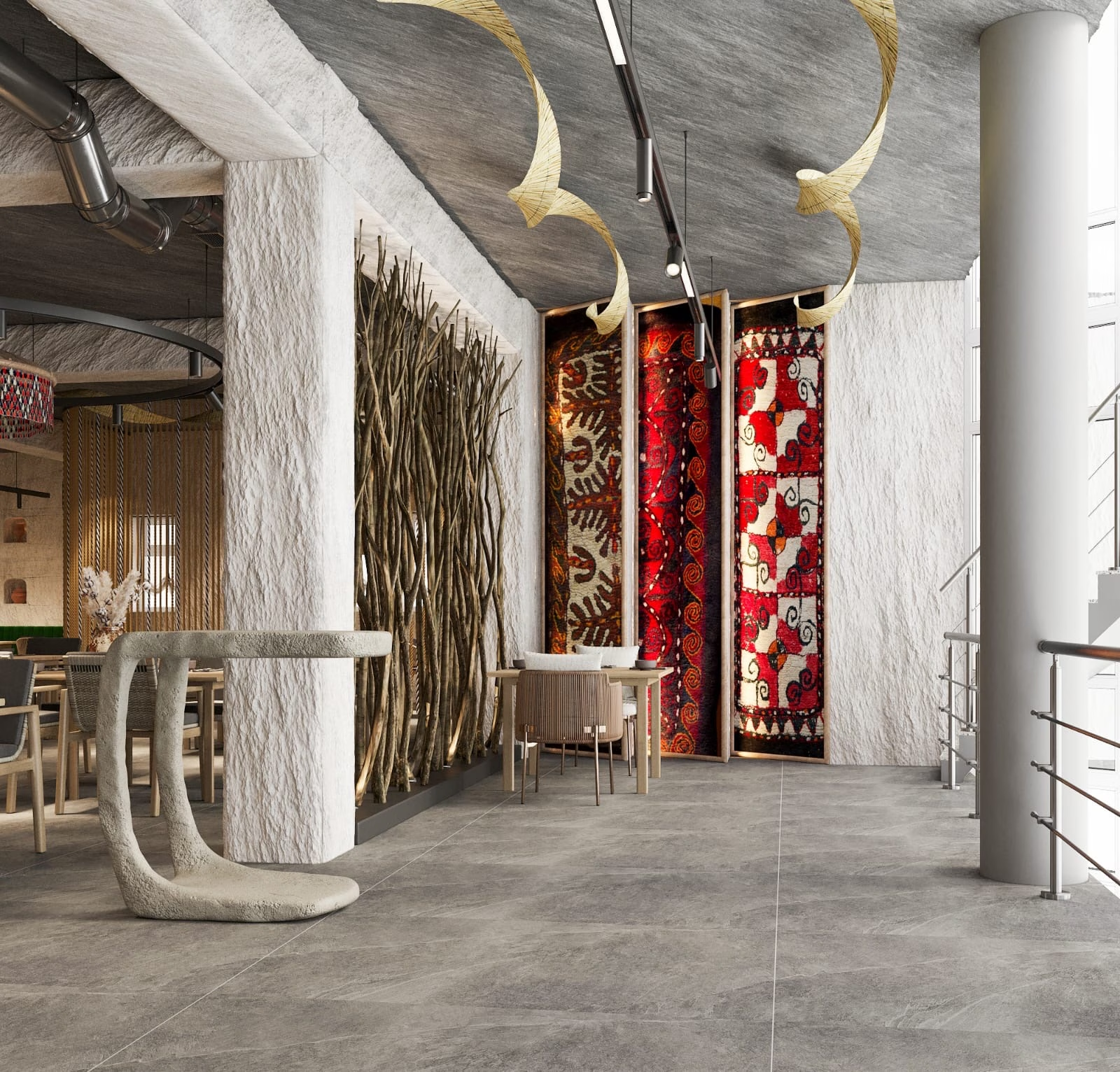
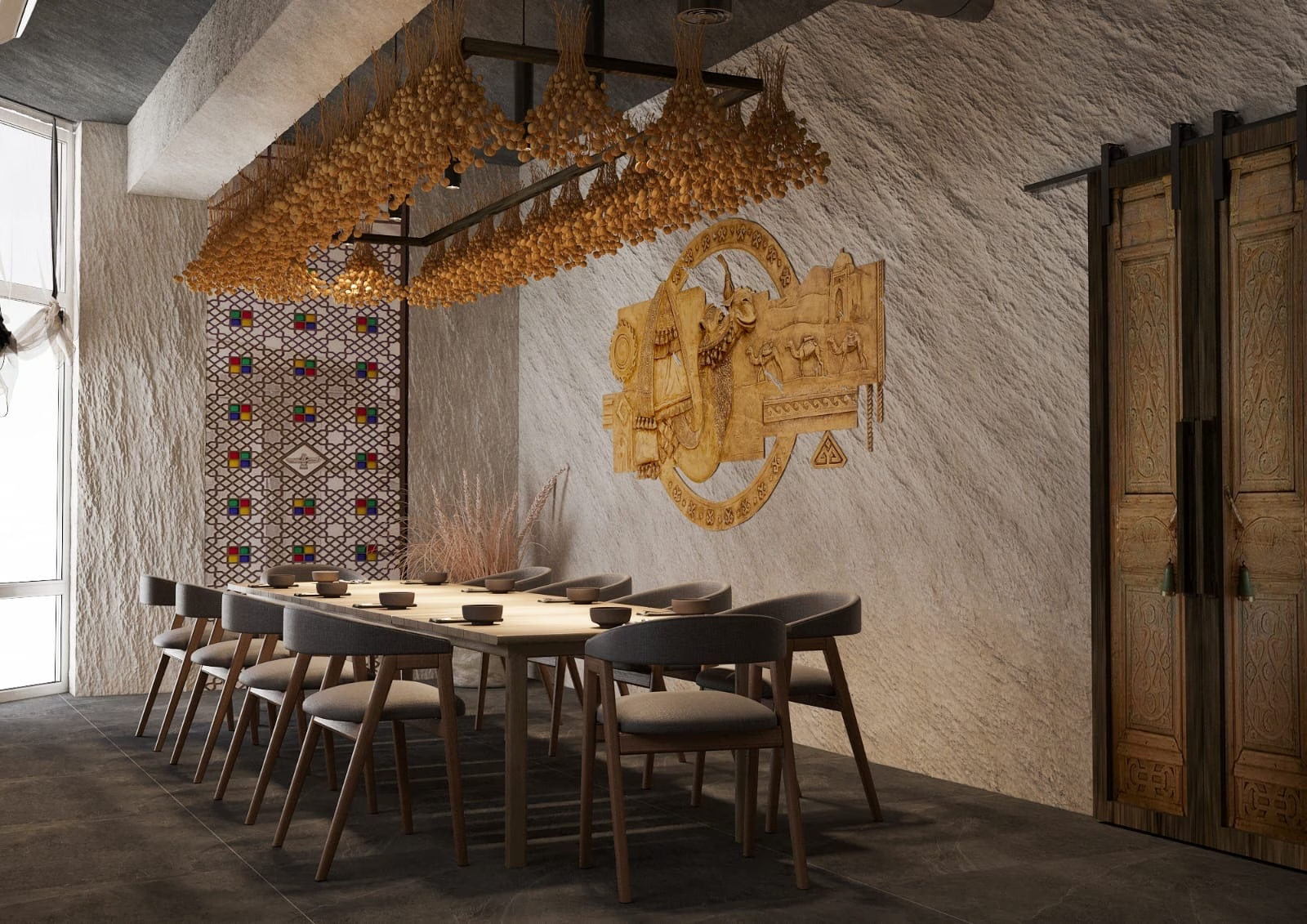
Selected areas of the ceiling transition from exposed concrete to reed panels supported by timber beams. This change in material immediately alters the atmosphere, introducing warmth and a more intimate scale to the dining areas.
_converted.avif)
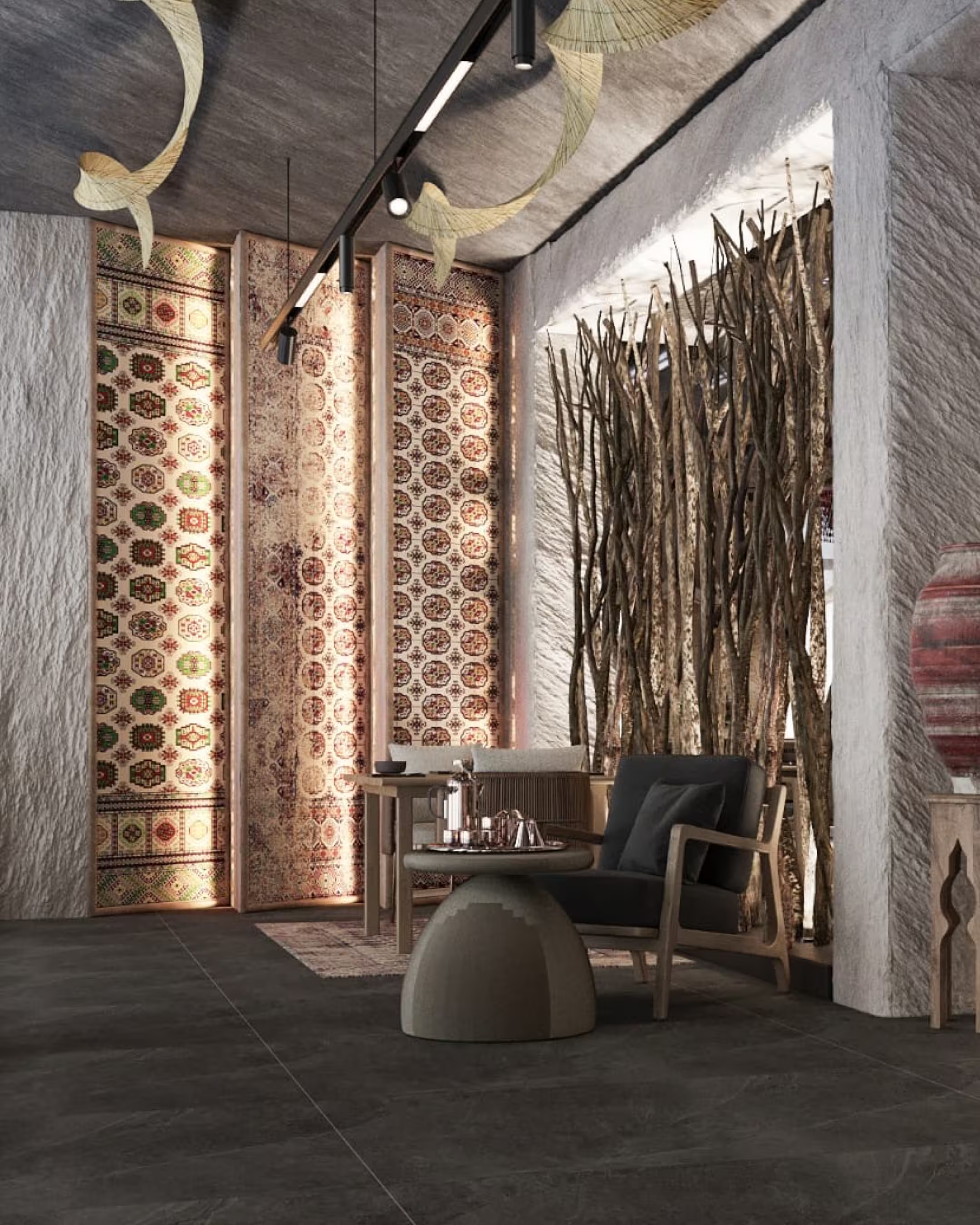
Traditional patterned textiles suspended from the ceiling create another layer of cultural reference. Their repetition brings movement and rhythm into the interior while translating familiar regional motifs into an architectural feature.
Rather than being used simply as decoration, the textiles become part of the spatial composition and strengthen the connection between craftsmanship and contemporary design.
Clay vessels and amphora-inspired forms are positioned throughout recessed niches as an extension of the material concept.
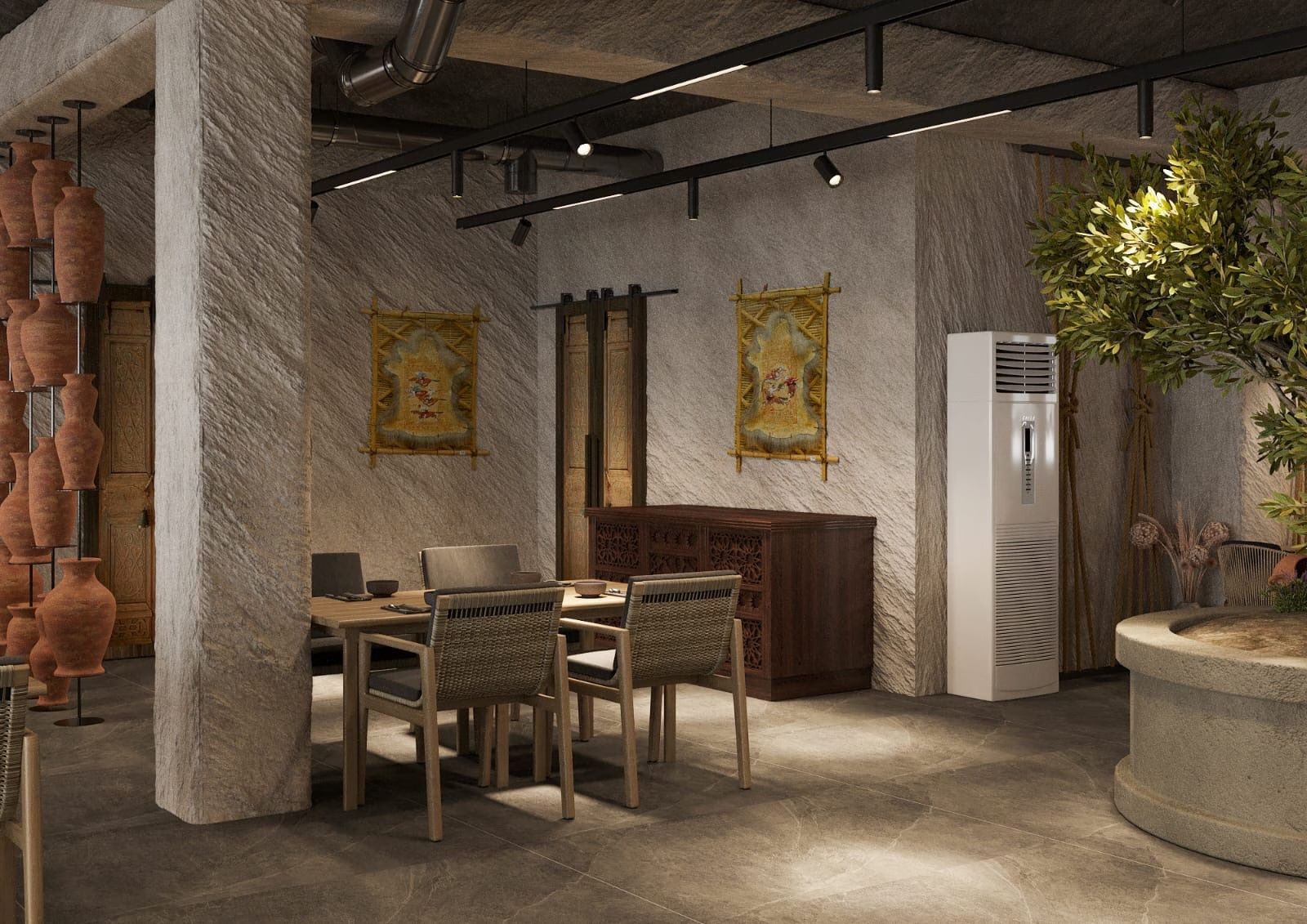
Their simple silhouettes reference objects that have existed across generations, reinforcing the relationship between the interior and traditional craftsmanship. Fresh flowers and natural arrangements are introduced alongside the ceramics, adding softness and an intentionally less formal element to the composition.
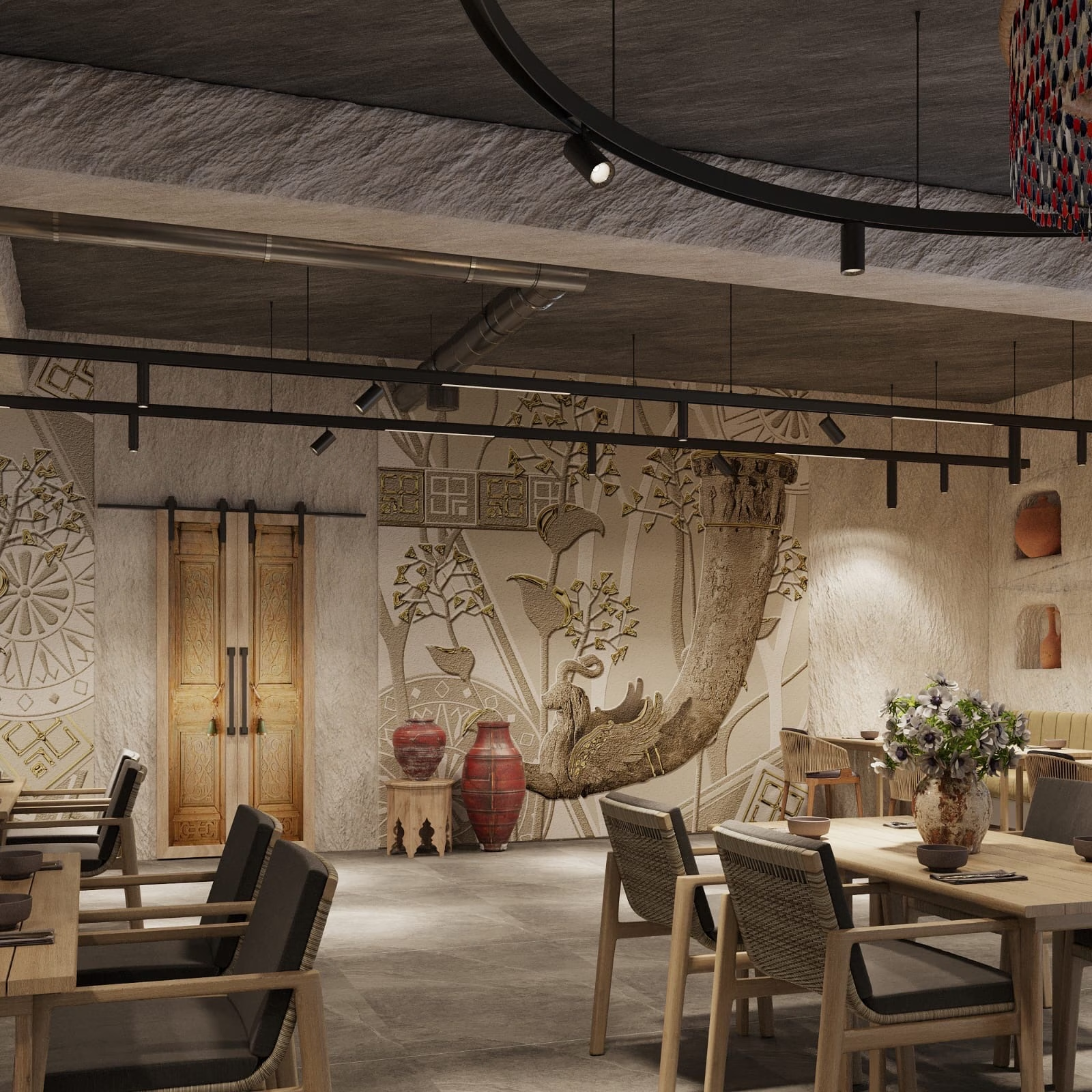
Together, these details prevent the interior from becoming overly staged and give the restaurant a more natural, lived-in character.
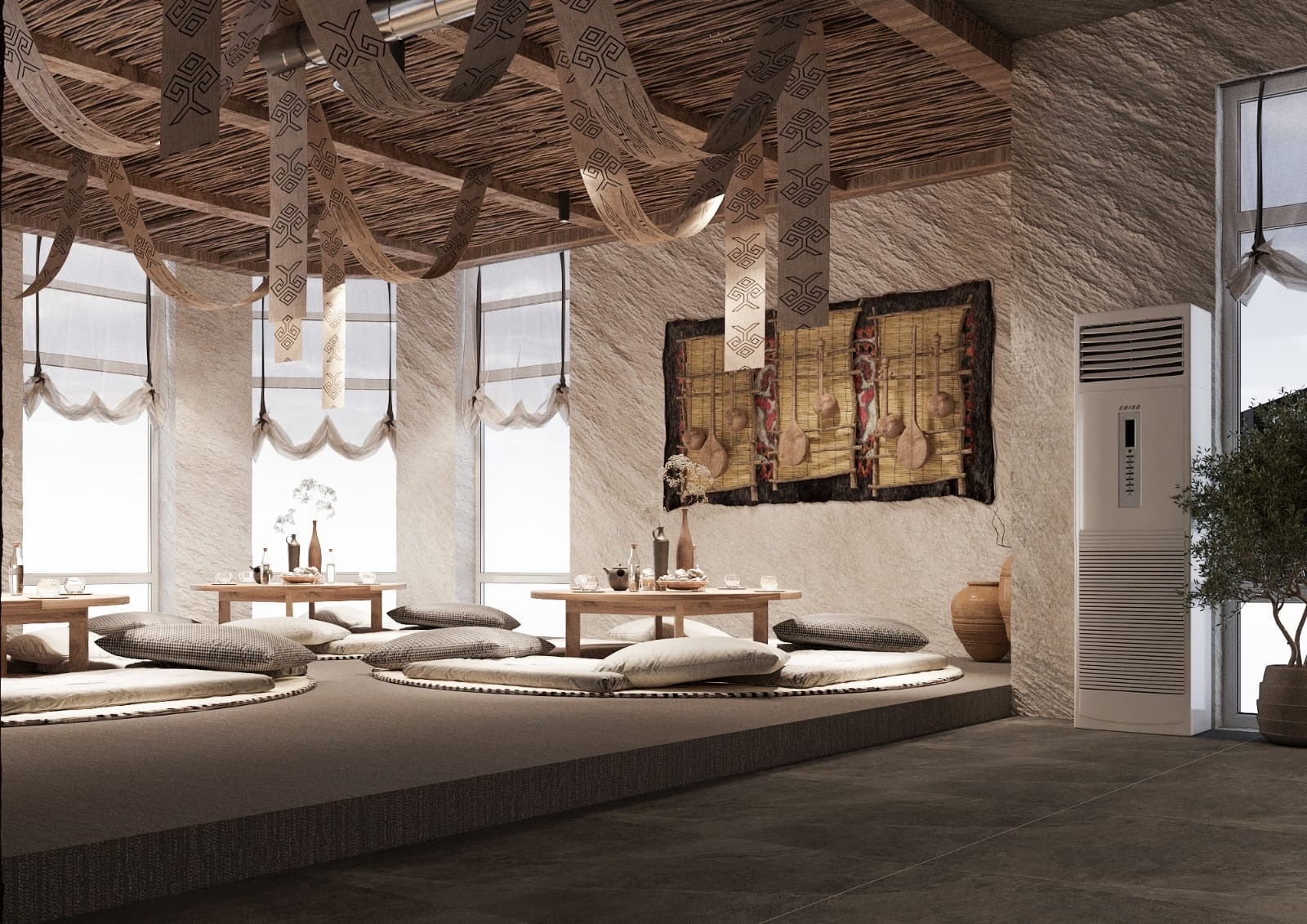
A raised seating platform creates one of the restaurant's most intimate zones. Layered cushions and low seating establish a relaxed arrangement inspired by traditional ways of gathering around food and conversation.
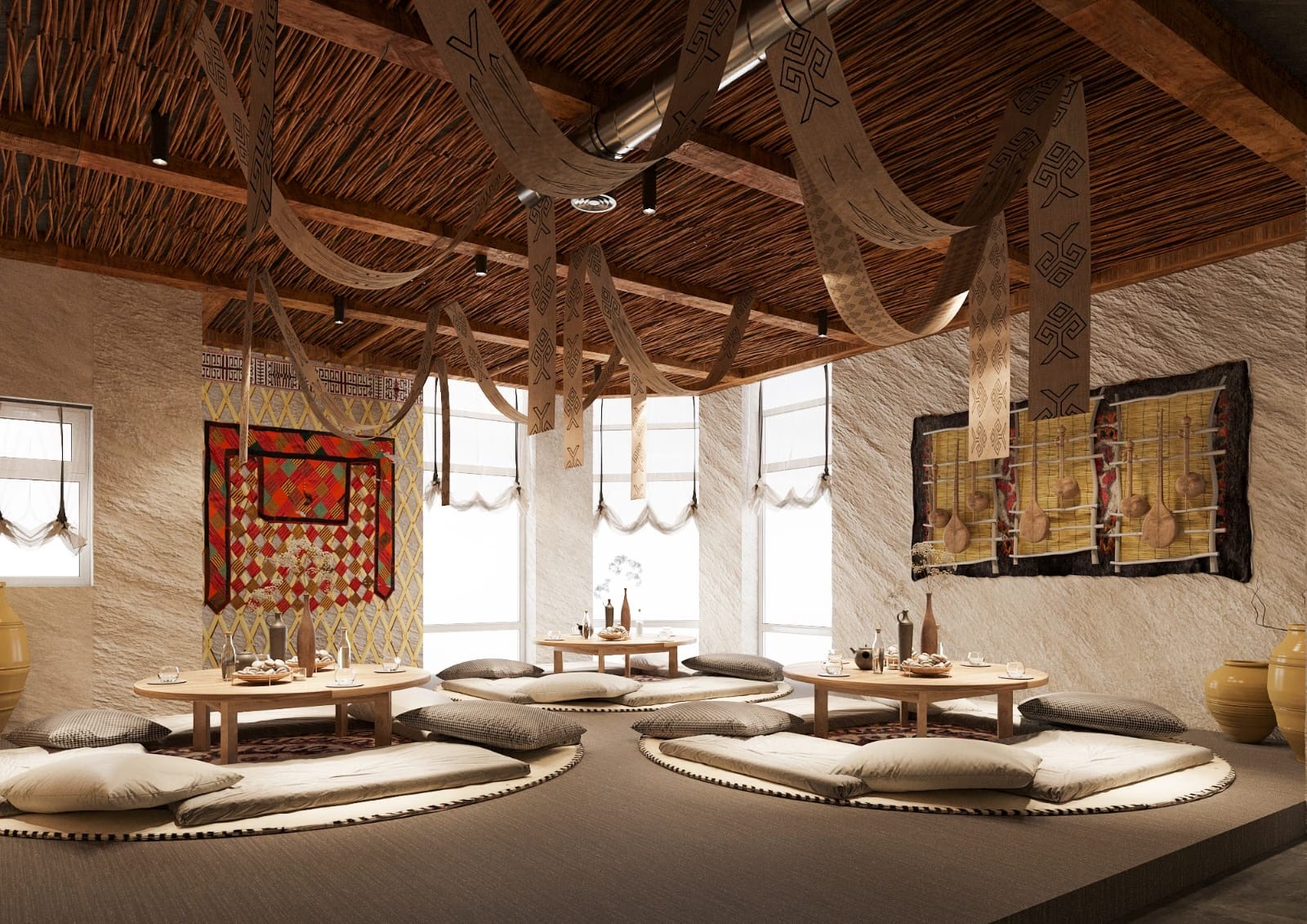
A round central table becomes the focal point of the composition, while intricately carved timber panels behind the seating area reinterpret traditional patterns through architectural detailing.
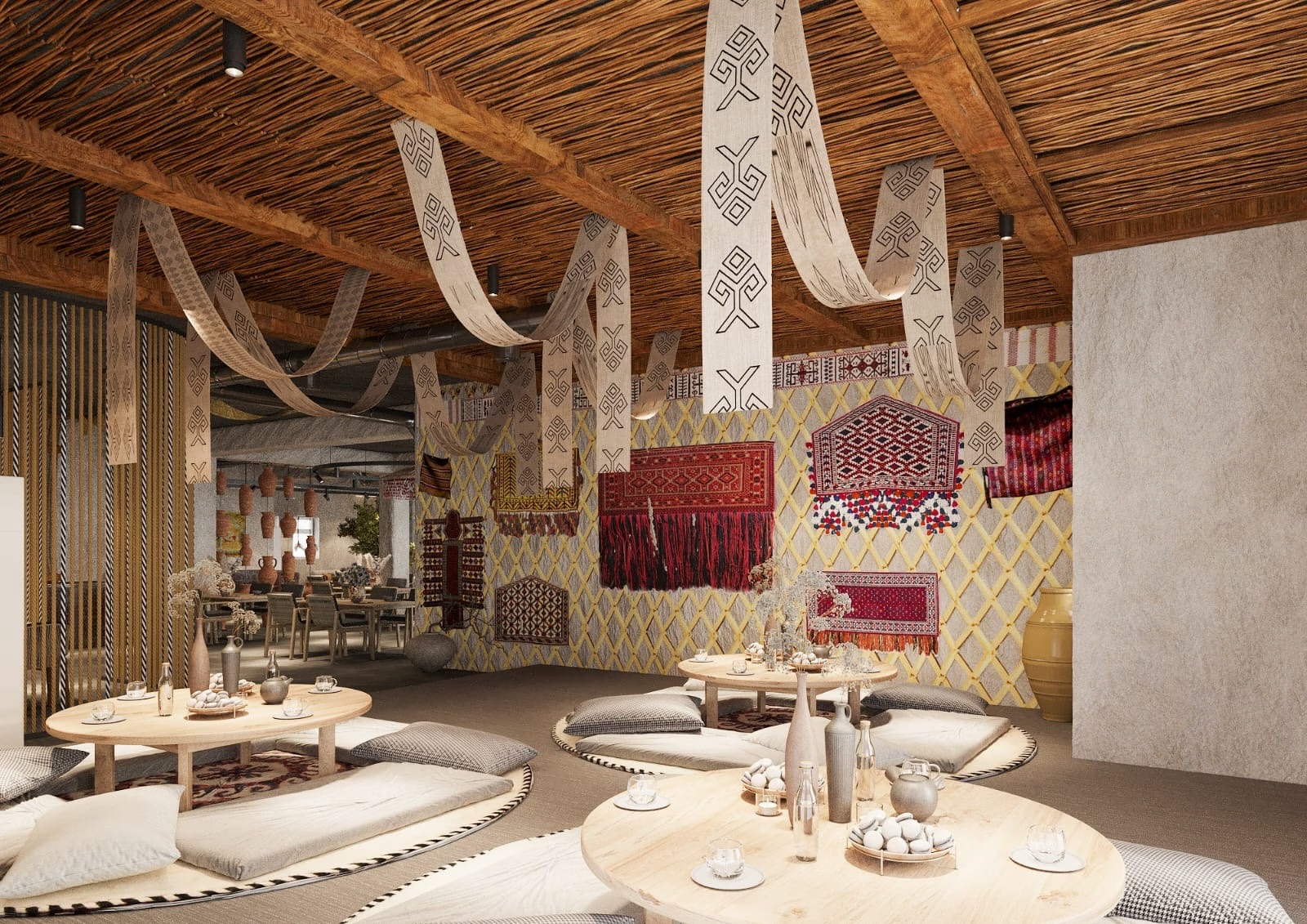
This area provides a different dining experience from the main restaurant floor while remaining connected to the overall material and cultural language of the project.
Near the entrance, a large piece of natural stone is incorporated into the interior with minimal intervention. Its raw surface and irregular form contrast with the more controlled architectural elements surrounding it.
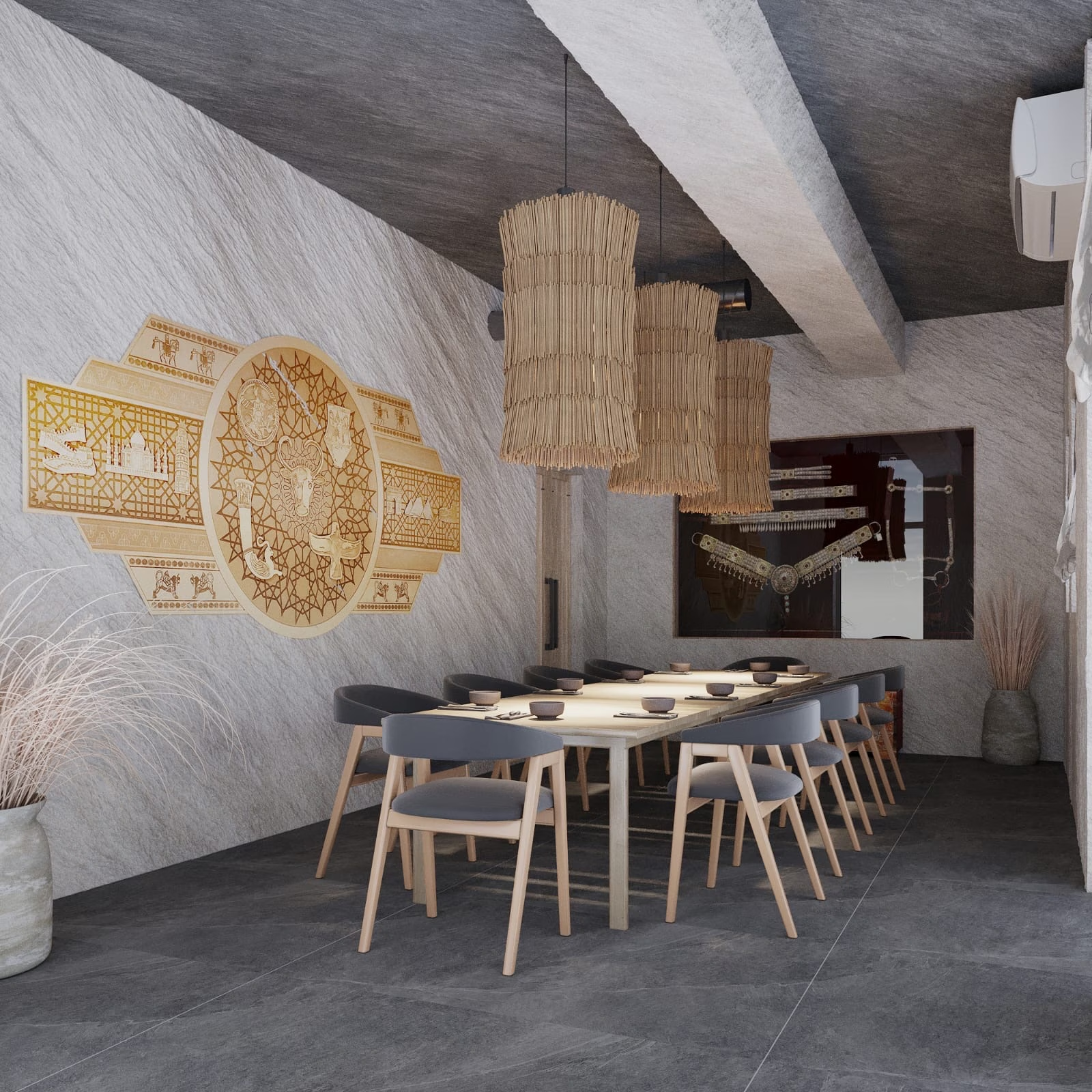
The stone establishes an immediate connection to the project's material origins and reinforces the importance of natural elements throughout the restaurant.
_converted.avif)
The restaurant approaches ethnic design through material, craftsmanship, and atmosphere rather than literal reproduction. Clay, timber, reed, stone, textiles, and traditional patterns are reinterpreted within a contemporary architectural framework, allowing cultural references to remain recognizable without making the interior feel historical or theatrical.
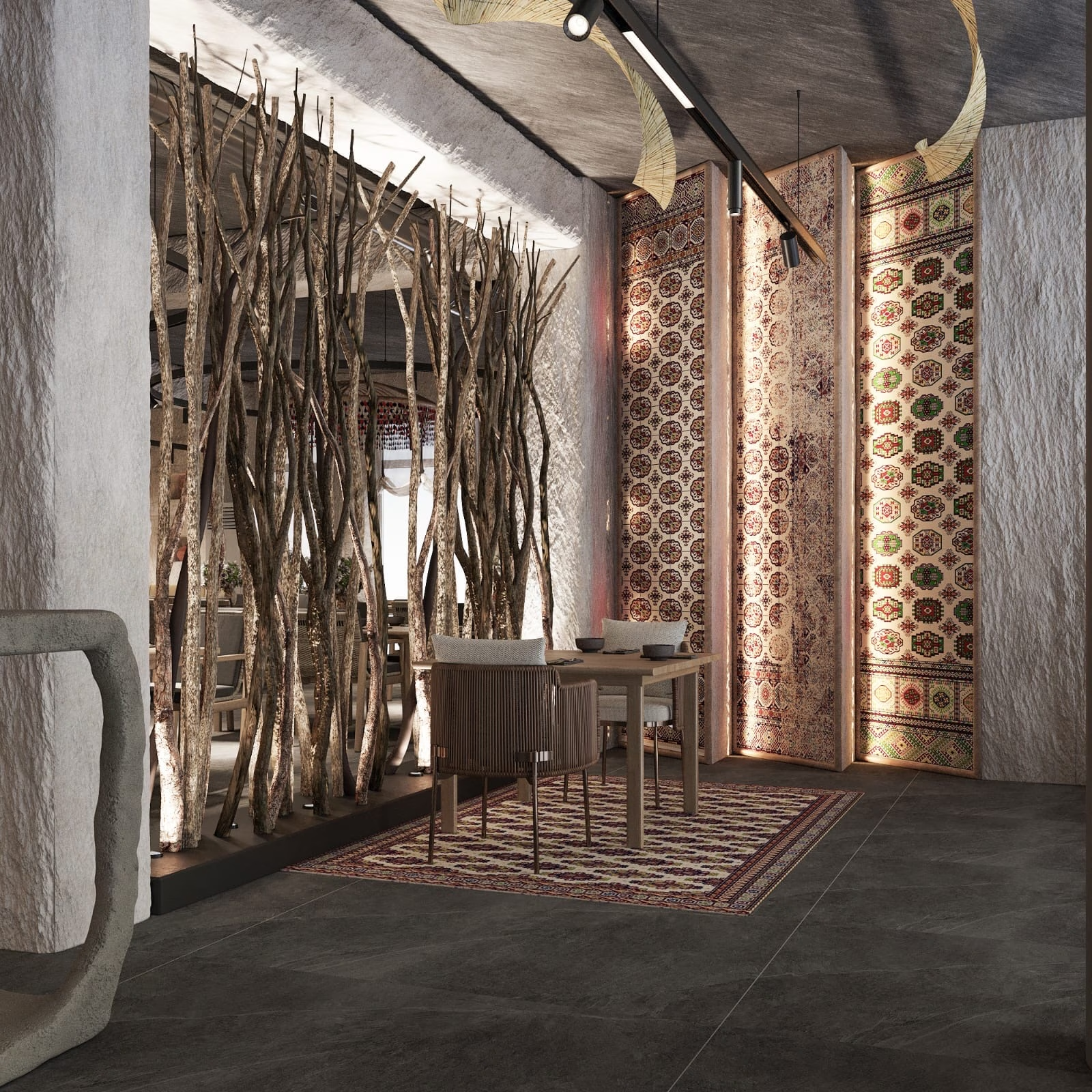
The result is a restaurant with a strong sense of place and identity, where regional heritage becomes part of the architecture itself and traditional craftsmanship finds a natural role within a modern dining environment.